Private jet ground transportation, from the aircraft to the front door
P1 meets private flights at the FBO with a security-trained driver and an equipped, unmarked SUV. The pickup is linked to the flight, the driver is staged before the aircraft lands, and the passengers, the flight crew, and your team can all see where the vehicle is.
How a P1 pickup works at any private aviation terminal
The same four steps run at every airport we serve. Each airport page adds its own FBOs, customs and curfew notes, and the local details that shape an arrival there.
- 01
The flight is tracked
Send the tail number or flight details with the request. The pickup follows the aircraft, so an early, late, or diverted arrival re-times it without a phone call.
- 02
Access is arranged ahead
Operations confirms the FBO, its entrance, and its procedure for vehicles on the ramp, and puts the meeting point in the Movement Brief.
- 03
The driver is staged before wheels down
The vehicle is inspected and in place before the aircraft lands, at the aircraft where the FBO allows it, otherwise at the FBO door.
- 04
Your team follows the trip
Assistants, family, and the flight crew you authorize see where the vehicle is, and each is updated when the passengers are on their way.
The private aviation airports we serve
Select an airport for its FBOs, its customs and curfew notes, and how an arrival there is planned.
- ASEColorado and the Mountain WestAspen/Pitkin County AirportAspen, Colorado · 1 FBO
- EGEColorado and the Mountain WestEagle County Regional AirportGypsum, Colorado · 1 FBO
- APAColorado and the Mountain WestCentennial AirportEnglewood, Colorado · 4 FBOs
- JACColorado and the Mountain WestJackson Hole AirportJackson, Wyoming · 1 FBO
- TEBNew York and New JerseyTeterboro AirportTeterboro, New Jersey · 3 FBOs
- HPNNew York and New JerseyWestchester County AirportWhite Plains, New York · 3 FBOs
- DJTSouth FloridaPresident Donald J. Trump International AirportWest Palm Beach, Florida · 3 FBOs
- OPFSouth FloridaMiami-Opa Locka Executive AirportOpa-locka, Florida · 5 FBOs
- FXESouth FloridaFort Lauderdale Executive AirportFort Lauderdale, Florida · 4 FBOs
- VNYLos AngelesVan Nuys AirportLos Angeles, California · 5 FBOs
- IADWashington, DCWashington Dulles International AirportDulles, Virginia · 2 FBOs
- PWKChicagoChicago Executive AirportWheeling, Illinois · 3 FBOs
- HNDLas VegasHenderson Executive AirportHenderson, Nevada · 1 FBO
- DALDallasDallas Love FieldDallas, Texas · 4 FBOs
- HOUHoustonWilliam P. Hobby AirportHouston, Texas · 6 FBOs
- SDLScottsdale and PhoenixScottsdale AirportScottsdale, Arizona · 3 FBOs
What makes a private aviation pickup different
Timed to the aircraft, not the schedule
Private flights leave early and land early. The pickup follows the aircraft's actual position, so the vehicle is waiting when the door opens, not on its way.
Ramp access arranged in advance
Each FBO has its own rules for vehicles on the ramp. Operations confirms them before the trip, so the driver is cleared to the aircraft where the FBO allows it.
A plan for the diversion
Mountain and coastal airports divert in weather. When the aircraft goes elsewhere, the pickup goes with it, and your team is told the new arrival point and time.
One picture for the crew and the office
Pilots see where the vehicle is staged, never the destination; assistants and family see the trip they are authorized to follow.
Luggage, skis, and golf bags
Tell us what is coming off the aircraft. Larger loads are planned with a second vehicle for family, staff, or luggage, coordinated as one trip.
Drivers who know the field
Drivers are based in the market and know its FBOs, gates, and the best routes out, recorded and verified area by area.
A security professional waiting at the aircraft
A security professional at the wheel
Drivers from law enforcement, the military, or executive protection, trained in protective driving and emergency medical response.
An equipped, unmarked vehicle
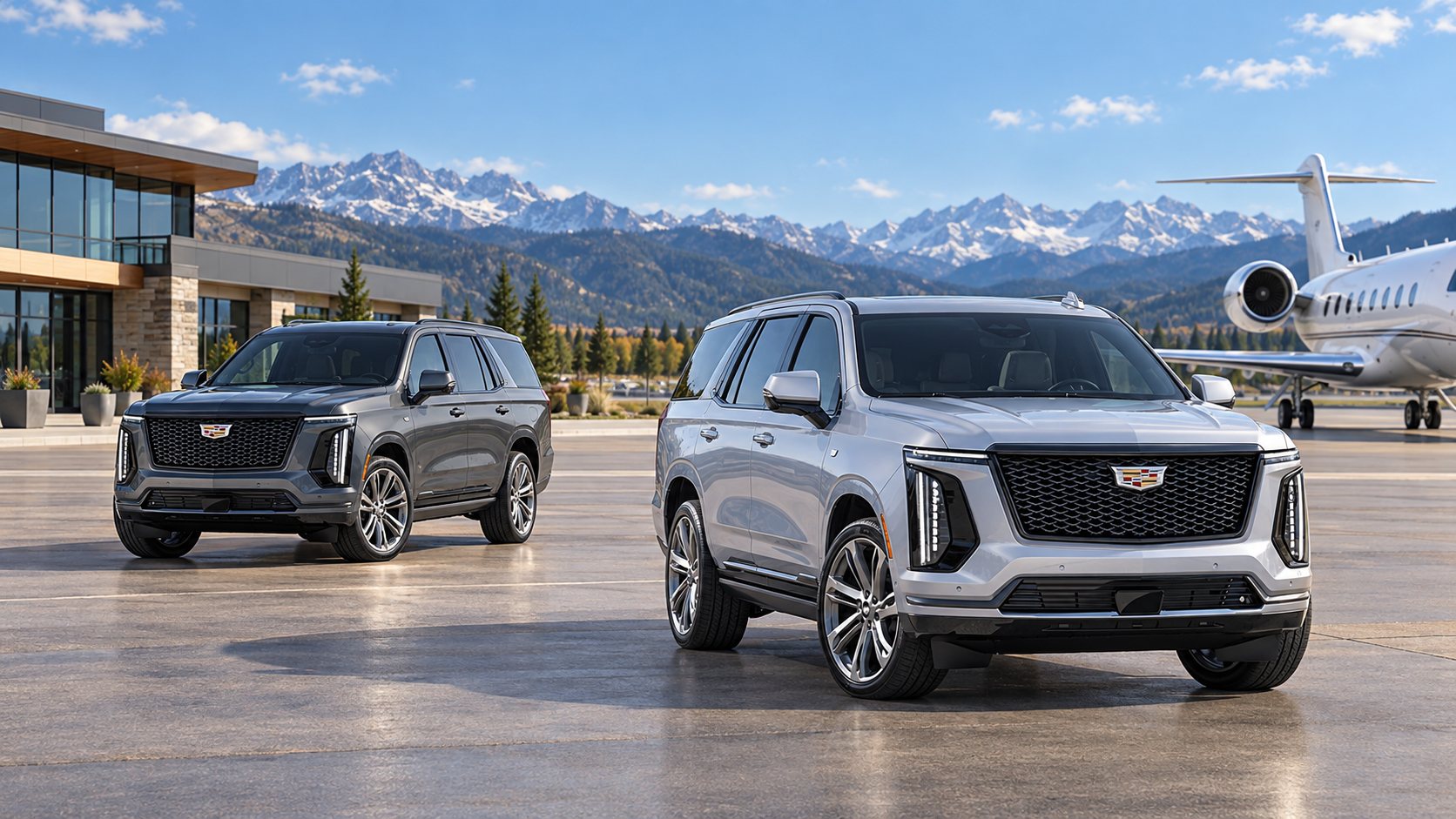
A late-model luxury SUV with a trauma kit, an AED, secure Wi-Fi, and a Principal Kit, and nothing on the outside that draws attention.
Live tracking for your team
Assistants, pilots, and family you authorize follow the vehicle in real time, with an update at each milestone.
A 24/7 operations center
Every trip is monitored from the advance brief to the final drop-off, and any change is handled immediately.
P1 Membership begins with a minimum $25,000 prepaid annual service commitment.
The full amount is available toward eligible P1 services. Member pricing and national network access are provided for an initial 12-month term.
- No membership tiers
- No expiring hours
- No use-it-or-lose-it balance
Questions about private aviation pickups
Where the FBO allows vehicles on the ramp, yes. Each FBO sets its own procedure, and operations confirms it before the trip and puts the meeting point in the Movement Brief. Where vehicles are not allowed on the ramp, the driver meets the passengers inside the FBO and walks them to the vehicle at the door.
The departure and arrival airports, the tail number or flight details, the expected arrival time, the passengers, and the destination. Luggage, ski or golf equipment, and any preferences for the Principal Kit help us plan the right vehicle or a second vehicle.
The pickup is linked to the aircraft, so an early or late arrival re-times it automatically. If the aircraft diverts to another airport, operations moves the pickup to the new airport and updates your team with the new meeting point and time.
Rideshare drivers generally cannot drive onto an FBO ramp, and passengers usually walk out to the curb to find them. P1 arranges access with the FBO in advance, so the driver can meet the passengers at the aircraft or at the FBO door, depending on the FBO's procedure.
Yes. Pilots and flight coordinators you authorize receive a crew link that shows where the vehicle is staged and when the passengers are on their way back to the aircraft. The crew link never shows destinations or family details.
A security professional, typically with a background in law enforcement, the military, or executive protection, trained in protective driving and emergency medical response, with credentials verified and renewed every year. Drivers are armed where lawful and appropriately licensed.
P1 meets flights at the private aviation terminals in every region it serves, including Aspen, Eagle County, Centennial, Jackson Hole, Teterboro, Westchester, Palm Beach, Opa-locka, Fort Lauderdale Executive, Van Nuys, Dulles, Chicago Executive, Henderson, Dallas Love Field, Houston Hobby, and Scottsdale.
P1 is offered through membership rather than by the ride. P1 Membership begins with a minimum $25,000 prepaid annual service commitment, and the full amount is available toward eligible P1 services. The rate schedule is shared after a membership request.
Plan your next arrival with P1
Send us the itinerary and we will coordinate the security vehicle, family and staff vehicles, airport arrivals, and any advance work under one membership, with one operations team and one standard.