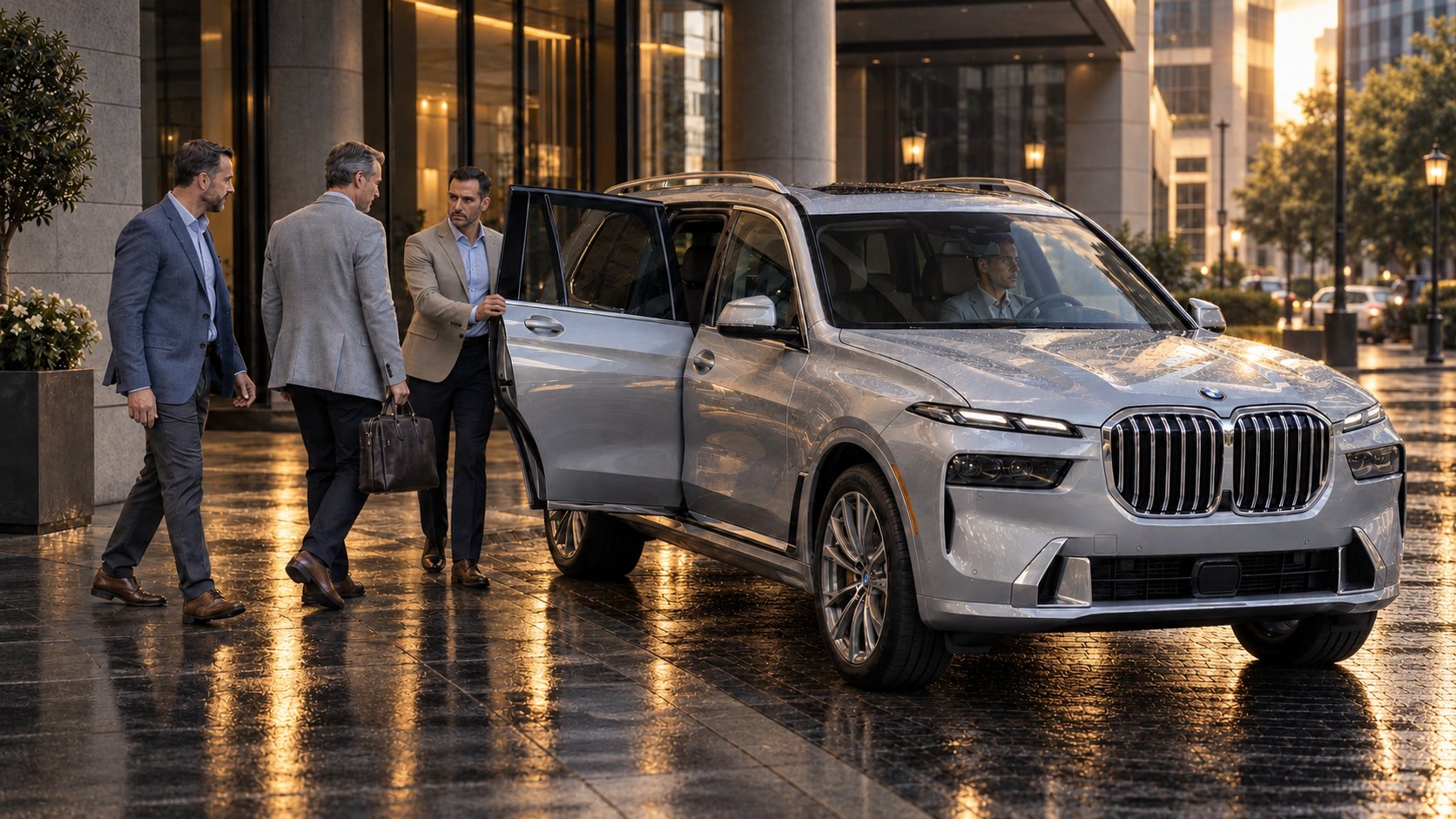
One standard for every driver, vehicle, and trip
P1 operates to one written standard for drivers, vehicles, equipment, and procedures in every market. Whichever city the trip is in and whichever driver is assigned, the service is the same, and there are no service tiers.
Security-trained drivers based in the market they serve
Every P1 driver is a security professional, typically with a background in law enforcement, the military, or executive protection. Drivers hold verified credentials, live in the market they serve, and are trained to work within an existing security detail, including staging, communication with agents, vehicle positioning, and route changes. They wear business attire rather than a chauffeur’s uniform, so they fit naturally beside the principal instead of drawing attention to them.
- 01
Judgment
Sound decisions under pressure: when to wait, when to move, and when to change the plan.
- 02
Protective driving
Advanced vehicle control, safe following distances, and disciplined route selection.
- 03
Situational awareness
Continuous assessment of the airport ramp, the curb, and the route, so potential problems are identified early.
- 04
Medical response
CPR, AED, and bleeding-control training, with the equipment on board to act immediately.
- 05
Communication
Clear, professional coordination with security teams, assistants, and the operations center.
- 06
Discretion
Business attire and conduct that draw no attention to the principal or the vehicle.
- 07
Local knowledge
Detailed familiarity with airports and FBO procedures, hotels, residences, traffic patterns, and alternate routes.
- 08
Armed capability
Where lawful and appropriately licensed, and only as a final contingency.
Verified before the first trip and renewed every year
Every credential is recorded in the P1 platform with its expiry date. A driver whose credential has lapsed cannot be assigned until it is renewed.
National, county, and watchlist checks, repeated every year.
Motor vehicle record reviewed every year.
Ten-panel screening every year and at random.
Current certification, renewed every two years.
Trauma-care training to a recognized standard.
A recognized security driving course, in addition to defensive driving.
Training from a recognized executive protection academy or a law enforcement dignitary protection program.
Nondisclosure agreement and Code of Conduct signed before the first trip.
Operating standards training and a supervised check ride, completed every year.
Certified luxury SUVs selected for discretion
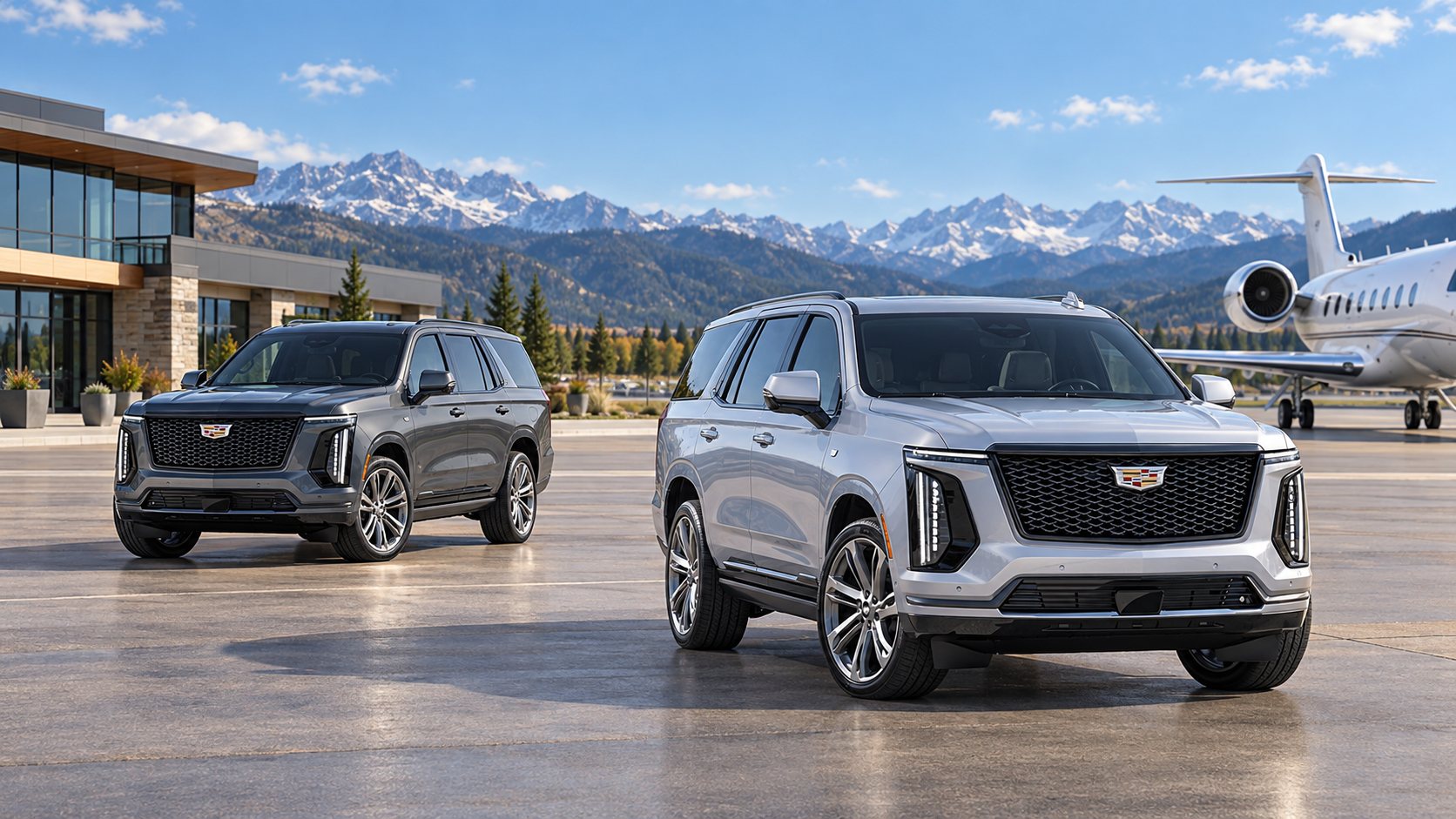
A black SUV at the curb is often the first sign that a principal has arrived, and many clients now prefer something less conspicuous. P1 vehicles are late-model luxury SUVs in gray, silver, white, and deep blue as well as black, each inspected and certified individually every year and operated without branding or markings.
- Cadillac Escalade
- GMC Yukon and Yukon XL
- Chevrolet Suburban
- Ford Expedition
- Lincoln Navigator
- Mercedes-Benz GLS
- BMW X7
- Range Rover
- Lexus LX
- Toyota Land Cruiser
Late models
No older than three model years, with fewer than 80,000 miles.
Discreet colors
Gray, silver, white, and deep blue as well as black, selected to suit the setting.
Annual certification
Inspected, photographed, and documented every year, and re-inspected after any incident.
Standardized layout
Critical equipment is stored in the same place in every certified vehicle, so any P1 driver can find it immediately.
No markings
No branding, signage, or name boards on the vehicle or at the pickup.
Pre-trip readiness check
The driver confirms the equipment and supplies before every trip.
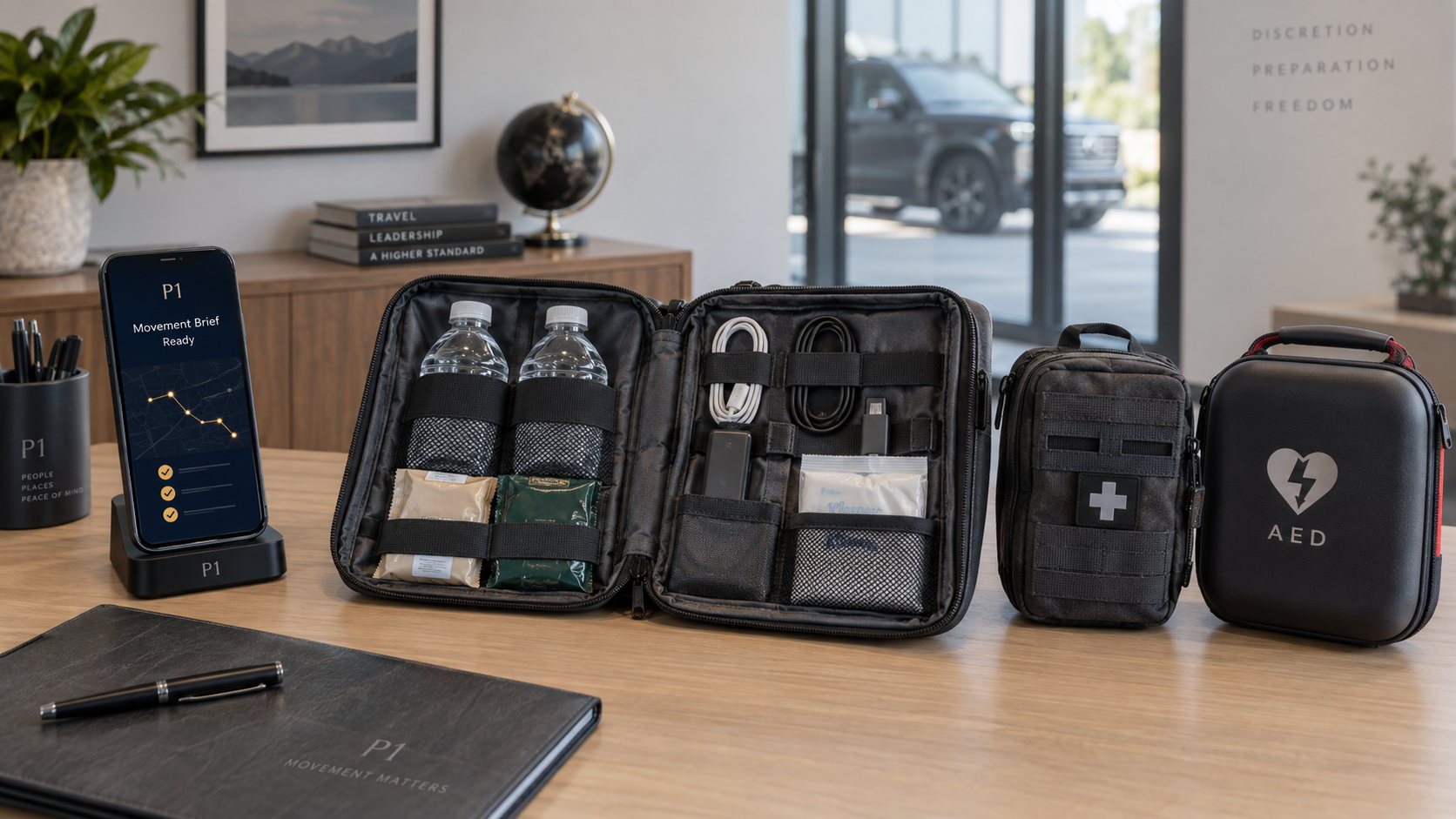
Medical equipment
An AED and a professional trauma kit, including tourniquets, pressure dressings, chest seals, and hemostatic gauze, stored in the same place in every vehicle and checked before every trip.
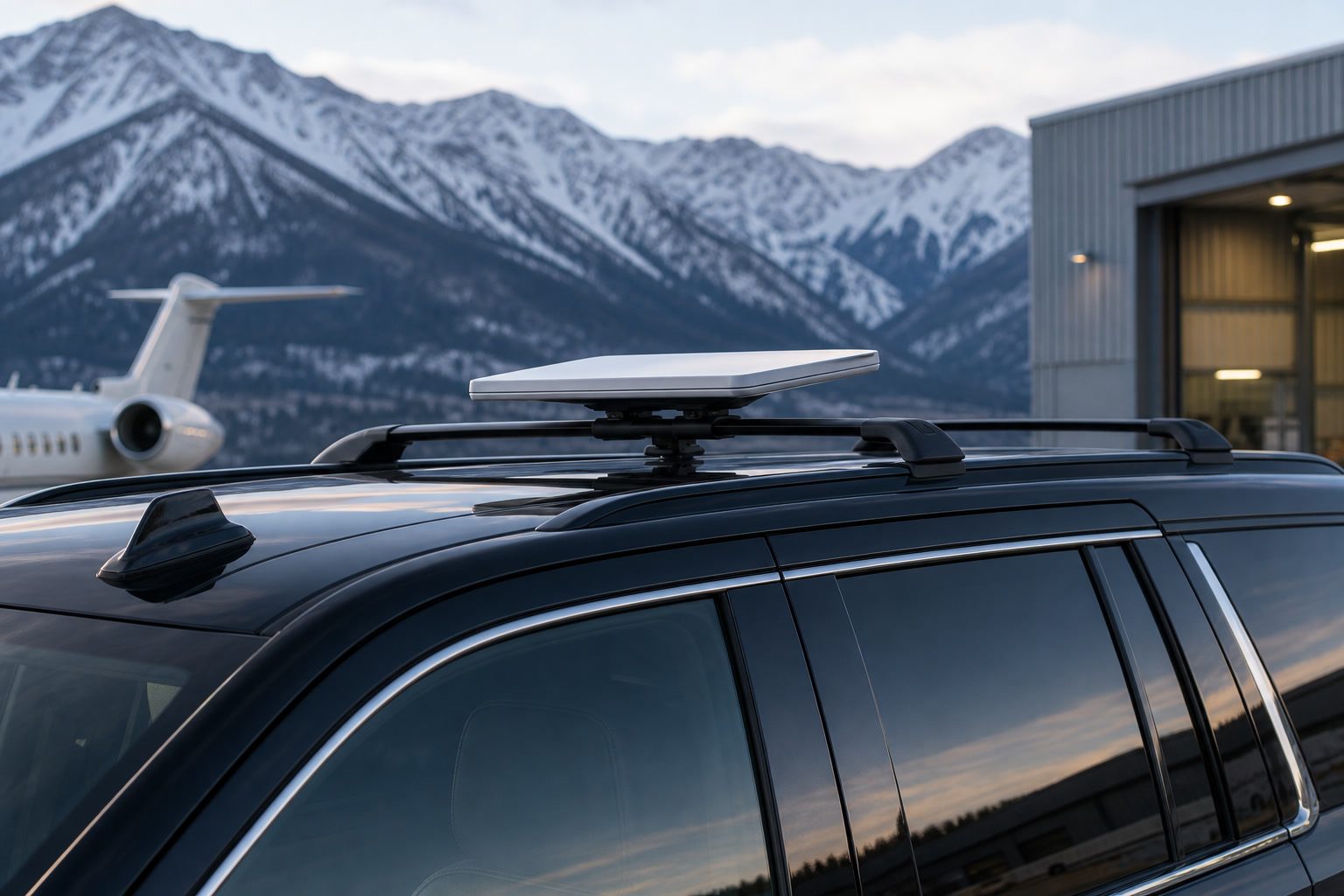
Secure Wi-Fi and power
Each vehicle carries its own secure, dedicated Wi-Fi for the principal, separate from the vehicle's built-in hotspot. Depending on the market it runs on Starlink, a cellular booster, or a dedicated 4G/5G router, with backup power and fast charging front and rear.
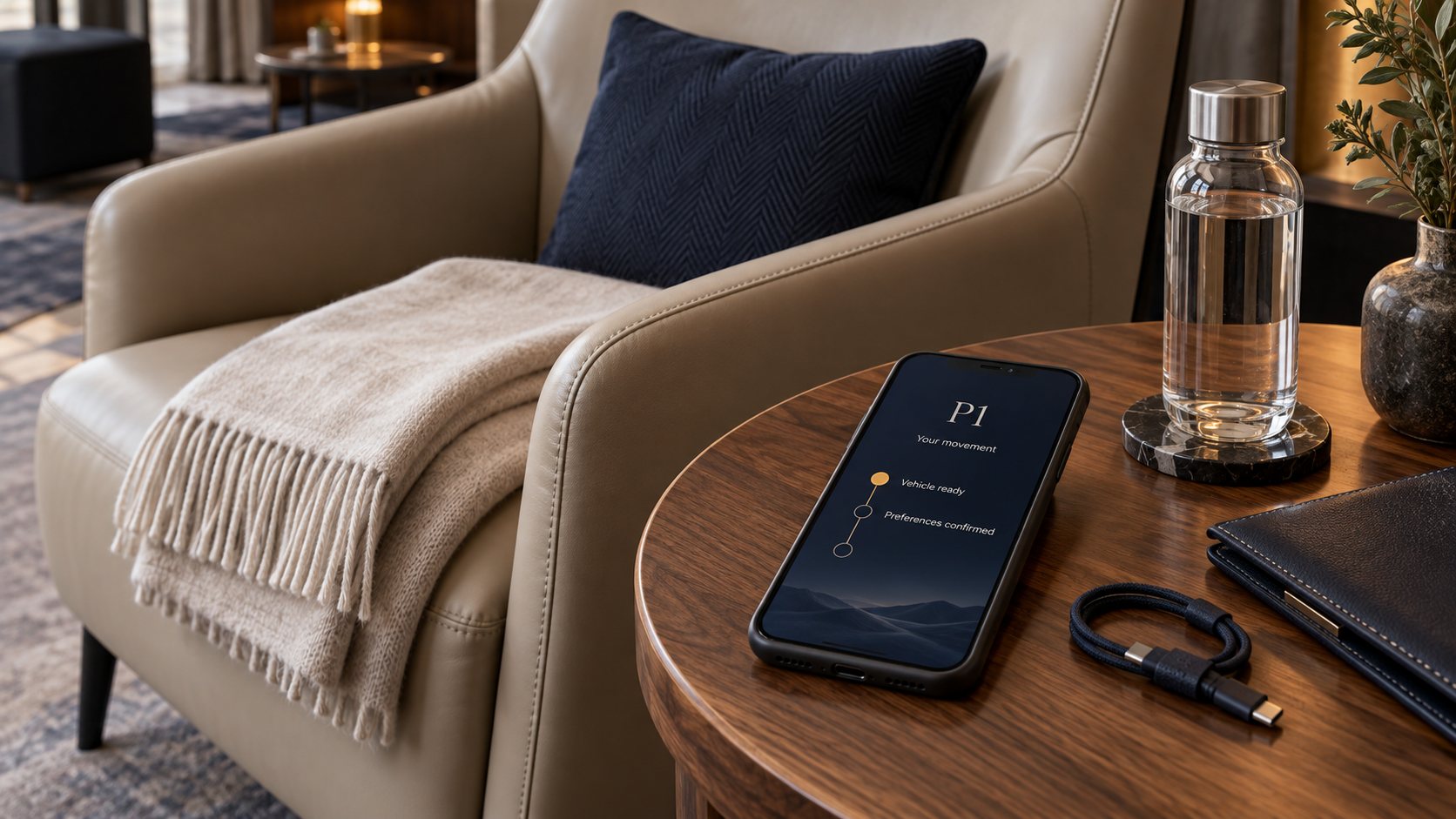
Principal Kit
A separate case of personal essentials, from chargers and toiletries to preferred refreshments, stocked to the principal's preferences before each trip.
Real-time oversight of every trip
P1 runs on its own operations platform, built for protective transportation rather than adapted from limousine dispatch software. Each trip is a live record that updates as plans change, so your team and our operations center always work from the same current information.
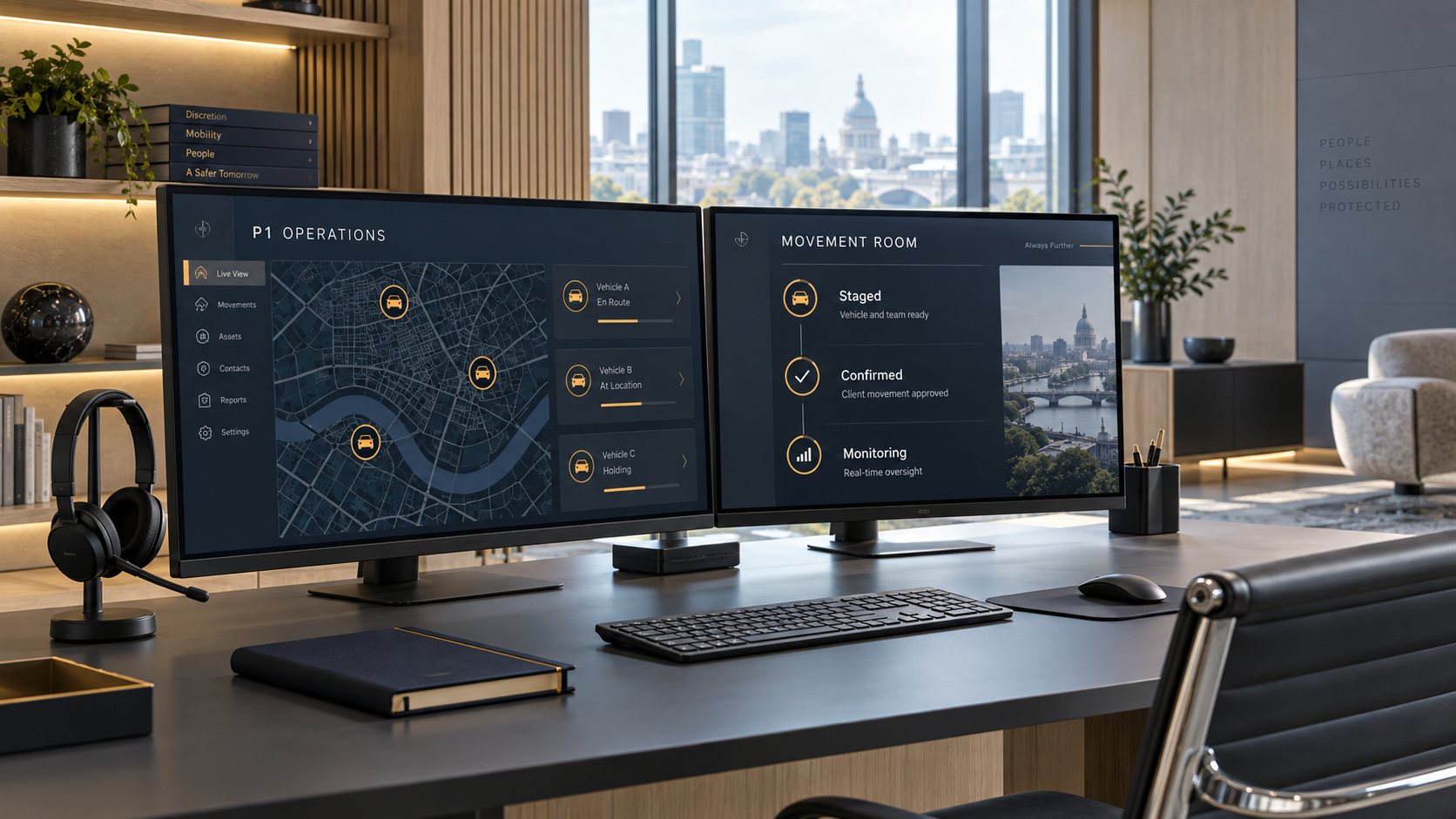
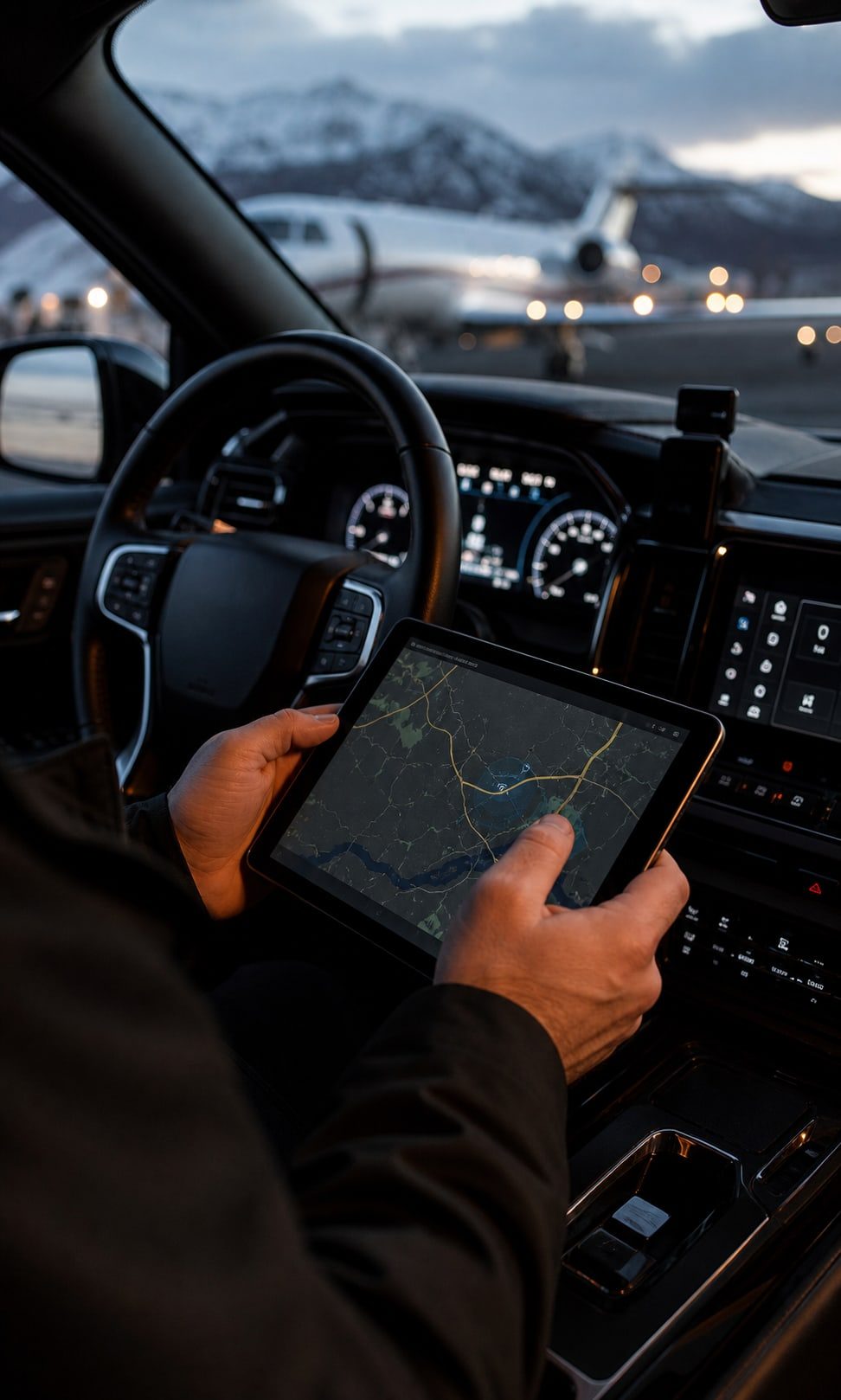
Managed vehicle device
A dedicated, centrally managed device in every vehicle, used instead of the driver's personal phone.
Movement Brief
The driver, vehicle, route, contacts, and timing, delivered to your team before the trip.
Live tracking
Real-time location shared only with the people you authorize, for the duration of the trip.
Changes during the trip
Add a stop or extend the day while under way; each change is priced and approved immediately.
Flight monitoring
Pickups are linked to the aircraft, so early and late arrivals are handled without a phone call.
24/7 operations center
A team that is alerted the moment anything departs from the plan, and acts on it.
Plan your next trip with P1
Send us the itinerary and we will coordinate the security vehicle, family and staff vehicles, airport arrivals, and any advance work under one membership, with one operations team and one standard.